
Educational Games for 5 Year Olds
Four free games built for the kindergarten years — spoken out loud, ad-free, and gentle enough that a five year old can play on their own.
What makes a game work at age five
At five, most children recognise letters and count small amounts, but they are not yet reading instructions. A game that expects reading, punishes a wrong tap, or hides controls in small menus will lose them in under a minute. Everything here is designed the other way round.
Every question is read out loud
Five year olds are still learning to read, so each puzzle is spoken in a warm, slow voice. Kids can tap to hear it again as many times as they like.
Big buttons, no tiny targets
Answers and controls are oversized and tap-friendly. There is no dragging, no typing and no small menus to fight with on a tablet.
Mistakes are gentle
A wrong answer never ends the game or takes points away. Kids simply hear the question again and try once more.
No ads, and nothing collected from your child
There are no adverts, no pop-ups and no in-game purchases. Accounts belong to parents only — children never enter any personal details.
The skills your child practises
- Letters and sight words
- Puzzles like “Finish the word: C_T” and “Which letter does DOG start with?” build the letter-sound links five year olds practise in kindergarten.
- Adding and taking away within 10
- Number questions use small, pictured amounts so a child can count objects on the screen instead of reading a bare sum.
- Memory and focus
- Card matching stretches the short attention span of a five year old in a way that still feels like play.
- Planning and problem solving
- Mazes and dodging traffic ask a child to look ahead and choose a path — early logical thinking, without any pressure.
Which game to try first
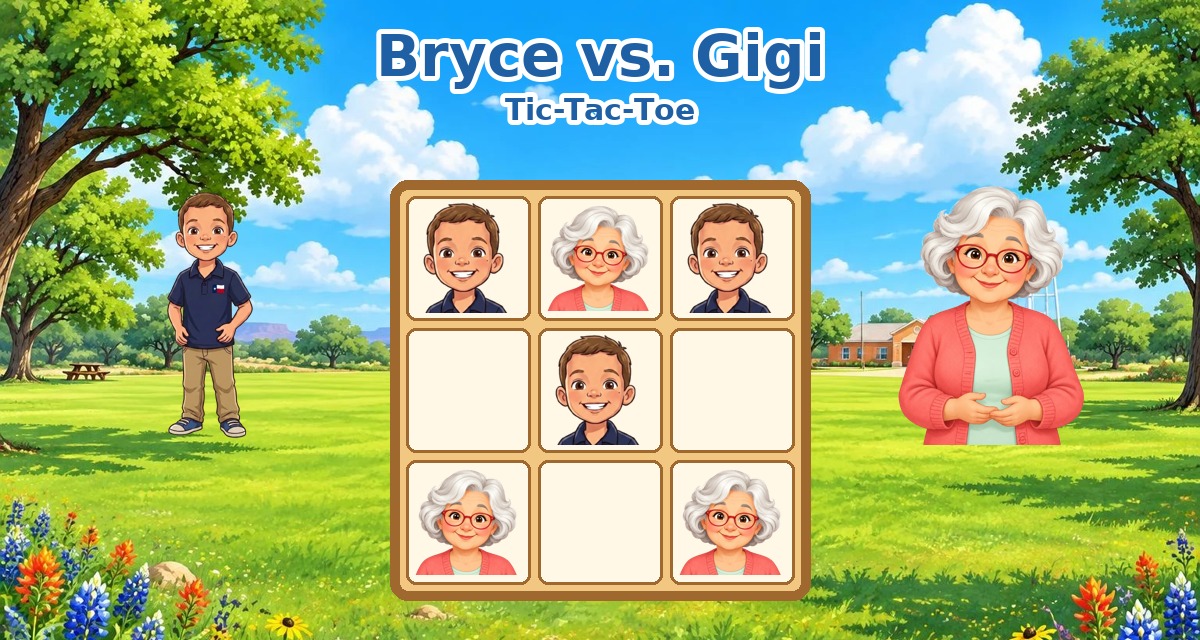
Bryce vs. Gigi Tic-Tac-Toe
Three in a row! Play with a friend or challenge Gigi on your own.
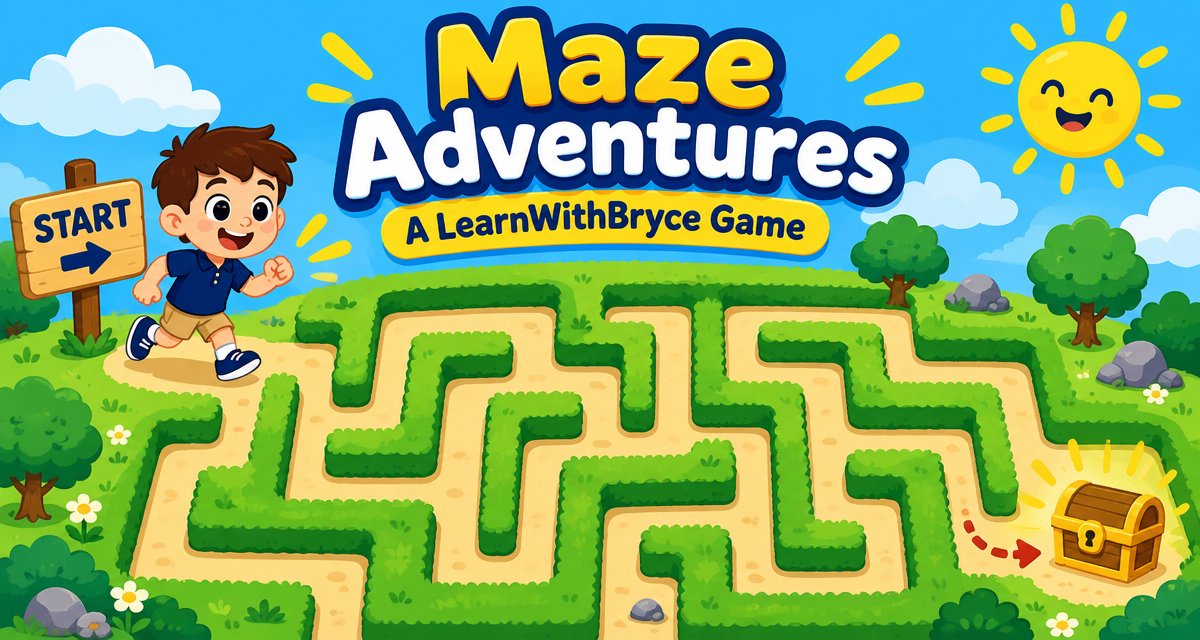
Maze Adventures
Great for quiet focus. The easy maze is small and forgiving, with a hint button whenever your child gets stuck.
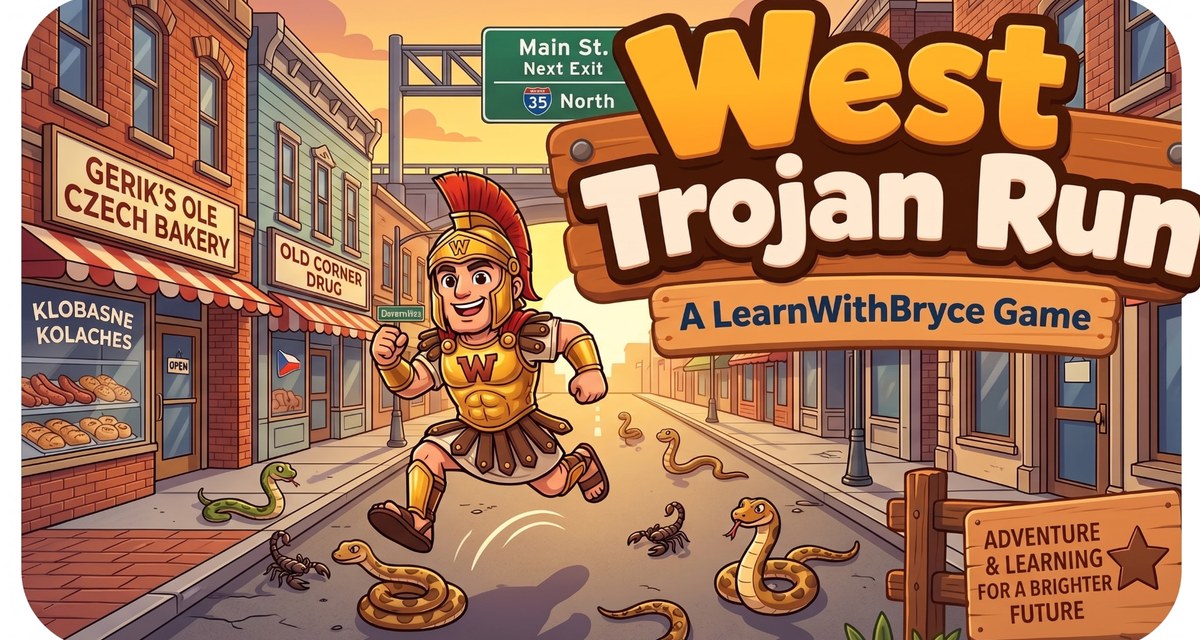
West Trojan Run
Best once your child is comfortable with the others — it is quicker, with jumping and timing to master.

Race to School
Perfect for a child who wants something lively. Easy mode uses two lanes and a short one-minute drive.
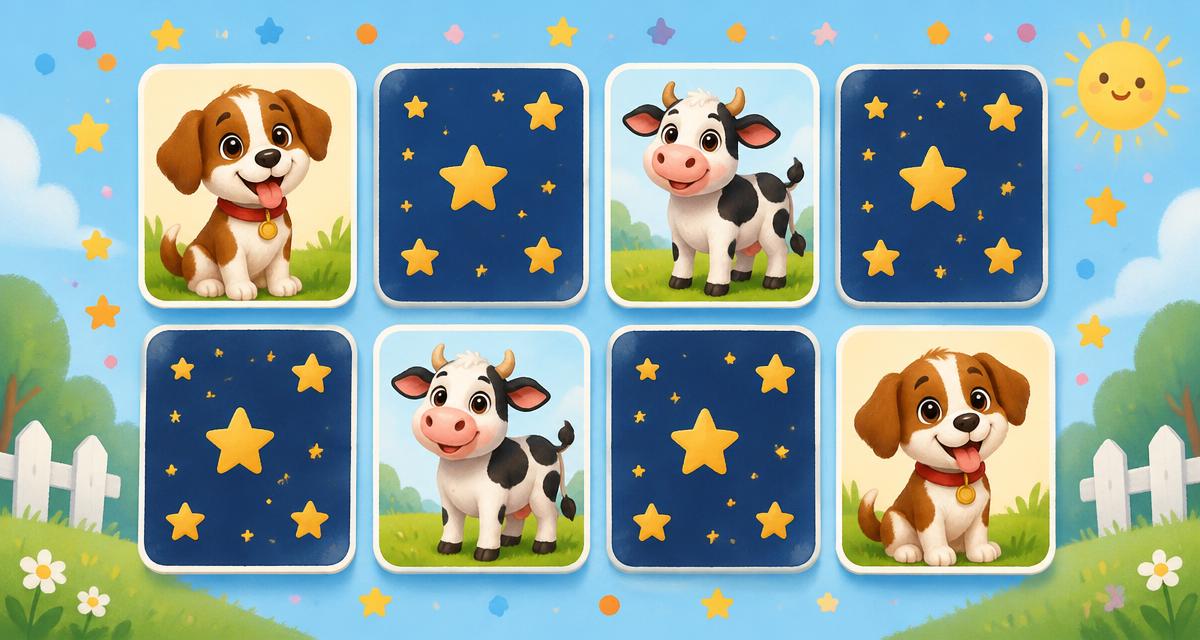
Memory for Kids
Start here. Easy mode uses just four pairs, so a five year old finishes a round in a couple of minutes and hears their cards named aloud.
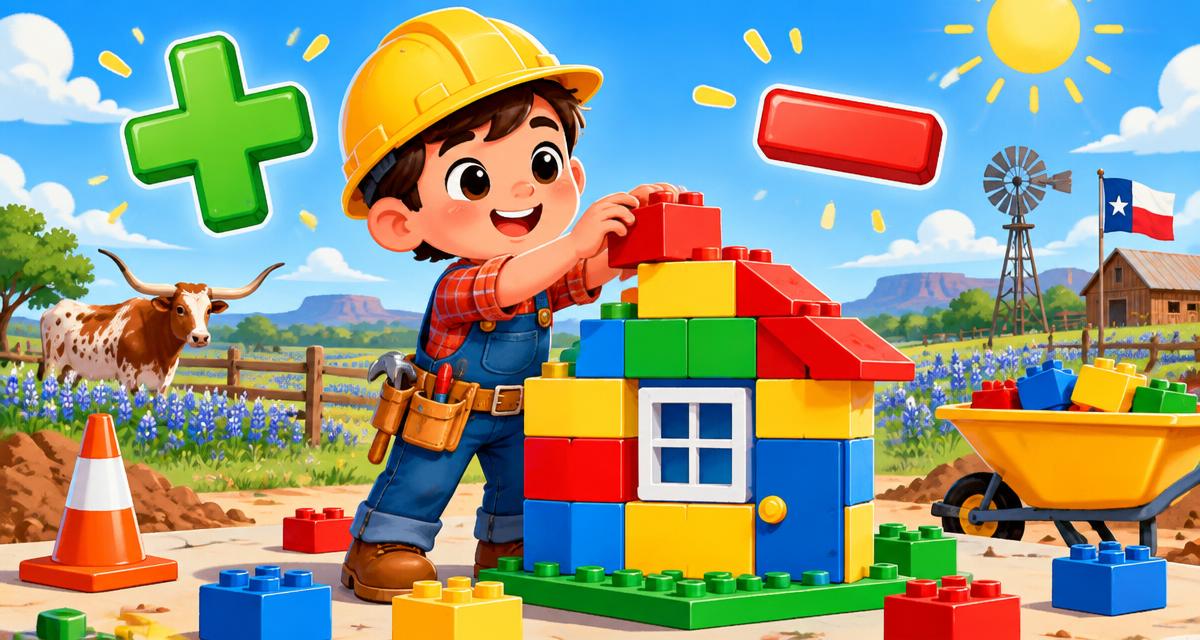
Math Builder
Solve math problems to earn blocks and build the whole project!
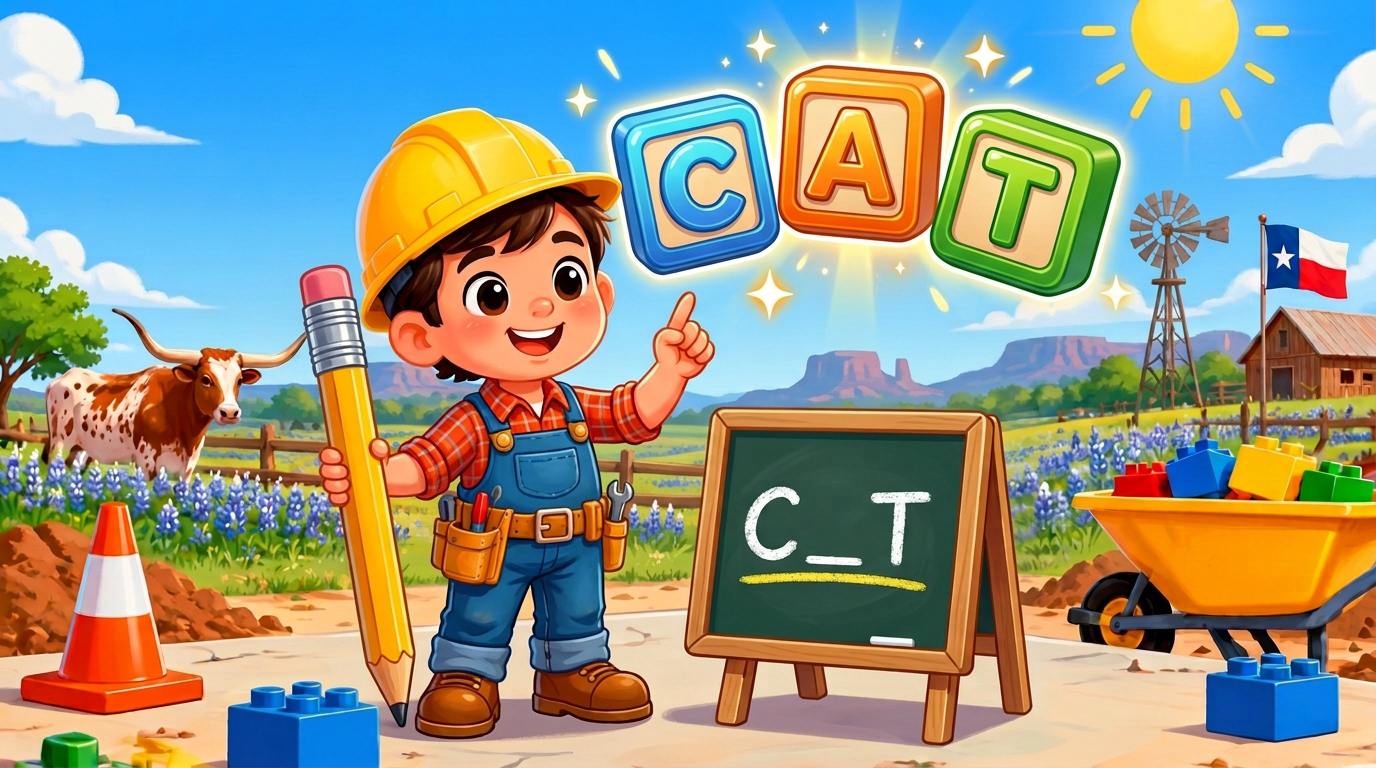
Word Builder
Find the missing letters to earn bricks and build with Bryce!

Sight Word Train
Match each picture to its word and load Conductor Bryce's train!
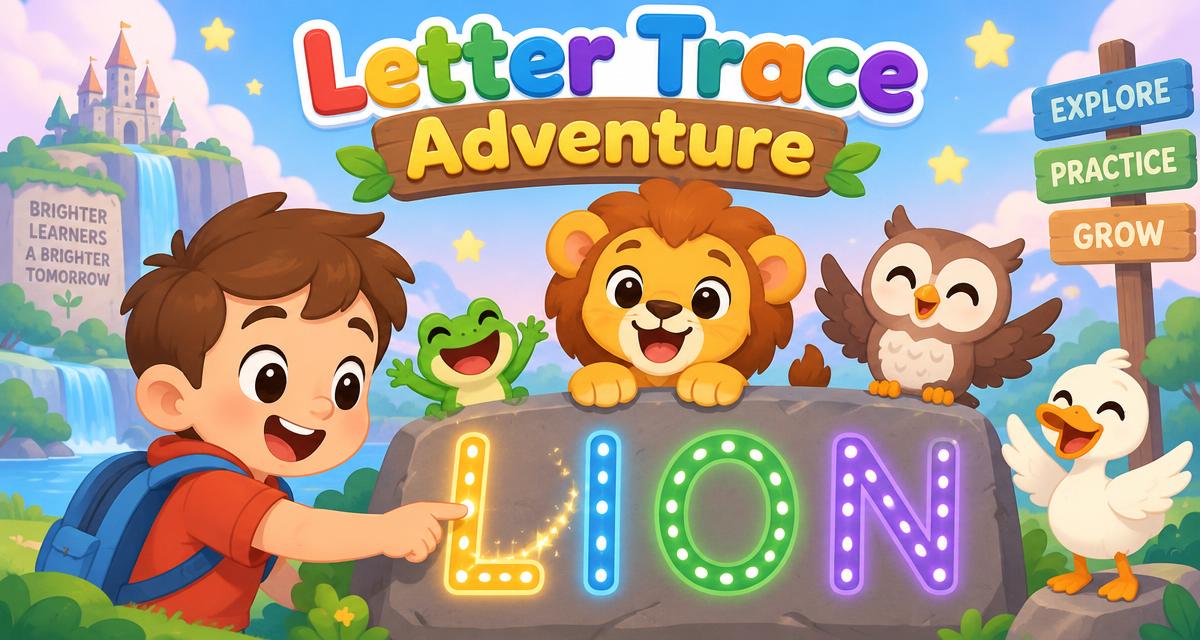
Letter Trace Adventure
Trace animal words letter by letter and fill your very own zoo!
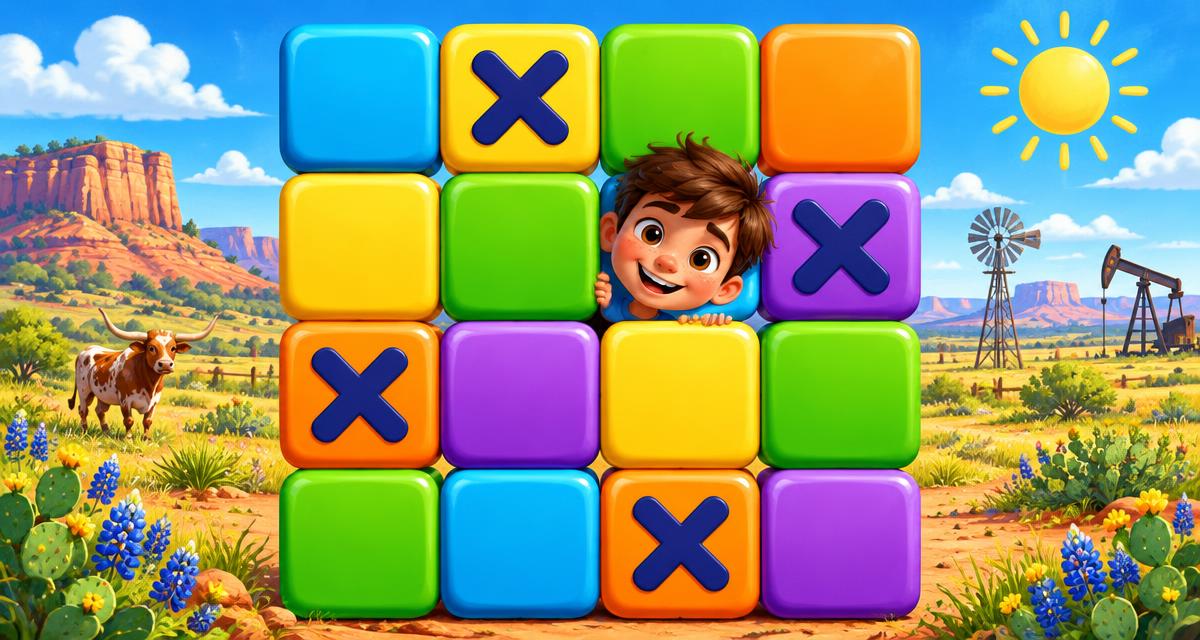
Find Bryce
Bryce is hiding! Use X's and clever thinking to find him in every row and color.
Playing together at home
Five year olds do best in short bursts — ten to fifteen minutes is plenty. Sit alongside for the first round, let your child answer the spoken questions out loud, and finish while they still want more. Accounts are parent-managed, so you stay in control of access.
See all the games